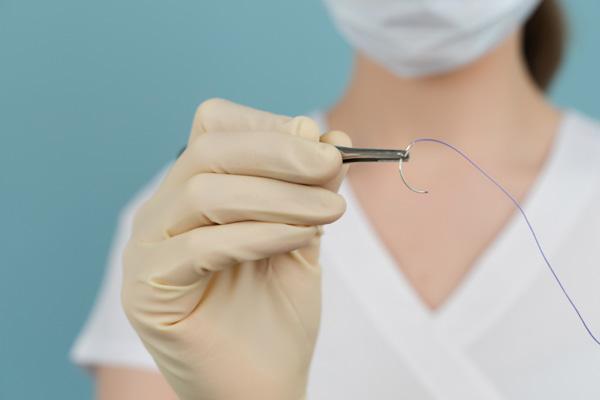
Holiday Kitchen Burns and Knife Lacerations: When a Cut Needs Stitches at Urgent Care
There’s usually a point during holiday cooking when the kitchen gets a little out of control. The turkey needs carving, something is boiling over, and three people are trying to use the same counter. Then someone slips with a knife or grabs a pan that’s still hot, and suddenly dinner is the least important thing happening.
Kitchen accidents are common, and most aren’t serious. A shallow cut or a little redness from touching a hot baking sheet can usually be managed at home. But when a wound won’t stop bleeding, the skin won’t stay together, or a burn starts blistering, it’s worth knowing what kind of care you need.
At Endure Urgent Care in Culver City, we treat uncomplicated cuts, lacerations, and minor burns. While not every kitchen injury needs a medical visit, some are better examined sooner rather than later.
A Knife Cut Isn’t Always as Minor as It Looks
Anyone who cooks regularly has probably nicked a finger while chopping vegetables. Usually, a little pressure and a bandage take care of it. The trouble is that a more serious cut can look deceptively small, especially on the fingers, where nerves and tendons sit close to the skin.
One of the first things to notice is whether the wound stays closed. If the edges remain separated when your hand is relaxed, or you can see yellowish fat or deeper tissue, it may need stitches. Don’t pull the skin apart to get a better look. That can make the injury worse.
Bleeding is another consideration. Hold clean gauze or a cloth firmly against the wound for 10 minutes without lifting it every few seconds. If it continues bleeding, have it examined. Heavy bleeding or blood that spurts and won’t stop with sustained pressure is an emergency. Call 911 for life-threatening bleeding.
Pay attention to what happens when you move your hand, too. If a finger feels numb, tingles, or suddenly becomes difficult to bend or straighten, the knife may have injured something beneath the skin. Significant loss of feeling, inability to move a finger normally, or an exposed tendon requires emergency evaluation.
And don’t assume a cut is fine simply because it has stopped bleeding. A deep wound can still need treatment after the bleeding settles down.
Also Read: Top 8 Reasons to Go to Urgent Care Instead of Your Primary Care Doctor
How Long Can You Wait Before Getting Stitches?
People often hear that a cut has to be stitched within six or eight hours. That isn’t a universal rule, and the clock alone doesn’t determine whether a wound can be closed.
A clean cut on the face, for example, is different from a deep hand wound exposed to raw meat or dirt. Providers consider the location, depth, contamination, and time since the injury before deciding how to treat it.
Waiting unnecessarily can complicate wound care, particularly when bacteria or damaged tissue are involved. If the edges won’t stay together or the cut is deep enough that you’re questioning whether it needs stitches, getting it checked promptly is the better choice.
Even if the injury happened earlier in the day, don’t decide on your own that it’s too late for treatment.
Burns From Hot Pans, Grease, and Boiling Water
Burns can be tricky because pain doesn’t always tell you how serious the injury is. A small superficial burn may sting intensely, while a deeper burn can damage nerve endings and leave an area feeling unusually numb.
Think about what happens when you brush your wrist against an oven rack. The skin turns red, feels tender, and may stay uncomfortable for several hours. If there are no blisters and the affected area is small, home care is often enough.
Hold the burn under cool running water for about 20 minutes. Afterward, a little petroleum jelly and a clean, nonstick dressing can protect the skin. Ice isn’t helpful and can cause additional damage.
Hot oil and boiling liquids are another story. They can cause blistering burns that extend deeper into the skin. A small, superficial blistering burn may be appropriate for urgent care, but burns involving the hands, face, feet, genitals, or major joints deserve prompt medical evaluation. Deeper or extensive burns may need emergency treatment or burn-center care.
Leave blisters alone, even when they’re uncomfortable. Popping them removes a layer of protection from the injured skin. Butter, cooking oil, and other kitchen remedies aren’t good substitutes for proper burn care either.
If the skin looks white, leathery, brown, or charred, go to the emergency department. Serious electrical or chemical burns and burns accompanied by breathing difficulties also require emergency care.
Also Read: What Type of Diagnostics Does an Urgent Care Clinic Conduct
What You Do Before Leaving the Kitchen Matters
With a knife cut, controlling the bleeding comes first. Apply steady pressure, then gently rinse the wound with clean running water once bleeding is controlled. Cover it with clean gauze or a bandage. Avoid pouring rubbing alcohol or hydrogen peroxide into the cut, since both can irritate healthy tissue.
For a burn, start cooling the skin under running water. Remove rings or tight jewelry before swelling makes that difficult, provided they come off easily. Don’t pull away clothing stuck to burned skin, and use a clean, nonstick covering to protect the area.
A severed fingertip is a different situation entirely. Seek emergency care immediately. If possible, wrap the detached tissue in clean, slightly damp gauze, seal it in a bag, and keep that bag cool without allowing the tissue to touch ice directly.
The goal of first aid isn’t to fix everything yourself. It’s to protect the injured area and avoid making things worse before you receive appropriate treatment.
What Happens if You Come to Urgent Care?
Our providers will check the wound’s depth, look for debris, and assess whether the injury may involve nerves, tendons, or blood vessels.
For uncomplicated cuts, stitches aren’t the only option. Some wounds can be closed with medical skin adhesive or adhesive strips. Others need sutures to hold the edges together while they heal. When stitches are appropriate, local anesthesia helps make the procedure more comfortable.
Your tetanus vaccination history is also important. For someone who has completed the primary vaccination series, a booster is generally recommended if the last dose was at least five years ago for a dirty or major wound, or 10 years ago for a clean, minor wound. Individuals with incomplete or unknown vaccination histories may need additional protection.
Burn care depends on what the skin looks like and how much tissue is affected. Minor burns may need gentle cleaning, protective dressings, and instructions for managing discomfort. More serious injuries are referred for emergency or specialized treatment.
Before you leave, you’ll know how to care for the injury and what changes should bring you back, particularly increasing pain, spreading redness, fever, or drainage.
Also Read: Should You Go to the Emergency Room or Urgent Care?
Frequently Asked Questions
Can I Get Stitches the Day After Cutting Myself?
Possibly. There isn’t one strict deadline for every wound. Whether a cut can be safely closed depends on its condition, location, contamination, and how much time has passed. Have a deep or gaping cut examined rather than waiting to see whether it heals on its own.
Is Medical Glue as Good as Stitches?
For certain shallow, clean cuts, medical adhesive works well. It isn’t suitable for every wound, particularly those that are deep, under tension, or involve underlying structures. The provider will recommend the closure method that fits the injury.
Do I Need a Tetanus Shot for a Kitchen Knife Cut?
Not necessarily. It depends on your vaccination history and whether the wound is clean or contaminated. Your provider can review when you last received a tetanus-containing vaccine and determine whether additional protection is needed.
Should I Cover a Cooking Burn or Leave It Open?
After cooling the burn, a clean, nonstick dressing generally helps protect the injured skin. Don’t pop blisters, and follow any dressing instructions provided during treatment.
What if My Cut or Burn Starts Looking Infected?
Increasing redness, warmth, swelling, pain, pus, or fever can indicate infection. Don’t wait for a scheduled follow-up if these symptoms develop. Have the injury reassessed promptly.
Kitchen Injuries Don’t Have to Derail Your Holiday
It’s easy to brush off a cut when you’re halfway through preparing dinner, especially if the bleeding has slowed and there’s still food in the oven. But a wound that needs stitches won’t necessarily improve just because you give it another hour.
If you’re dealing with an uncomplicated knife cut or minor cooking burn, Endure Urgent Care in Culver City offers walk-in evaluation and treatment. We also serve patients from nearby Palms, Mar Vista, and Marina del Rey.
Taking a little time to have an injury examined can save you from spending the rest of the holiday wondering whether you should have done something sooner.
This article is for general educational purposes and does not replace individualized medical advice. Seek emergency care for uncontrolled bleeding, significant loss of finger movement or sensation, amputations, or severe burns.